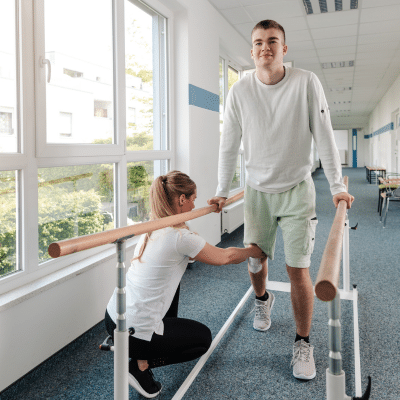
At VCOM Sports and Osteopathic Medicine, we believe in a holistic approach to athlete care, emphasizing the interconnectedness of the body’s systems to optimize health and performance. Osteopathic medicine plays a crucial role in sports, focusing on injury prevention, musculoskeletal function and overall wellness. By integrating sound nutritional strategies with osteopathic principles, athletes can achieve peak performance, faster recovery and long-term musculoskeletal health. This approach highlights the importance of both osteopathic treatments and tailored nutrition in enhancing athletic ability and maintaining physical well-being for our patients in Blacksburg, Christiansburg, Radford and Salem, VA.
Osteopathic Medicine in Sports Performance
Osteopathic physicians (DOs) are trained to focus on the whole body and how its systems work together. In sports medicine, they not only treat injuries but also aim to prevent them and enhance performance by optimizing musculoskeletal function. This comprehensive approach is essential for athletes who want to stay healthy and perform at their best.
One of the key tools used by DOs is Osteopathic Manipulative Treatment (OMT), which involves hands-on techniques to alleviate pain, improve joint function and restore balance to the body. OMT can be particularly beneficial for athletes dealing with musculoskeletal issues like back pain, joint dysfunction, or muscle imbalances. By addressing structural issues and enhancing biomechanics, DOs help athletes prevent injuries, recover more quickly and achieve their performance goals.
However, while OMT and other osteopathic treatments are important for maintaining musculoskeletal health, proper nutrition plays a complementary role in supporting overall sports performance.
The Role of Nutrition in Musculoskeletal Health
Athletes depend on a healthy musculoskeletal system to perform at their peak, and nutrition is essential for maintaining bone, muscle and joint health. A well-balanced diet that provides the right mix of macronutrients and micronutrients helps athletes recover from strenuous activity, build strength and reduce the risk of injuries.
Key nutrients for musculoskeletal health include:
- Protein: Necessary for muscle repair and growth, protein is essential for athletes who engage in regular intense training. Protein supports the maintenance of muscle mass and helps repair damage caused by exercise.
- Calcium and Vitamin D: These nutrients are essential for maintaining strong and healthy bones. Calcium strengthens bones, while vitamin D enhances calcium absorption and is important for muscle function. Adequate intake of both helps athletes avoid bone-related injuries like stress fractures.
- Omega-3 Fatty Acids: Omega-3s help reduce inflammation and support joint health. This is particularly important for athletes who put a lot of stress on their joints and muscles through repetitive movements.
- Magnesium: Magnesium plays a critical role in helping muscles both relax and contract effectively. It also plays a role in bone health and can help prevent cramps and muscle fatigue.
- Collagen: Collagen is the main structural protein in tendons, ligaments and cartilage. Including collagen-rich foods or supplements in the diet can support joint health and prevent injuries like tendinitis.
Dietary Strategies for Athletes
A well-designed nutrition plan can make a significant difference in an athlete’s performance, recovery and injury prevention. Here are some strategies for optimizing musculoskeletal health through nutrition:
Prioritize High-Quality Protein
Protein should be a central component of an athlete’s diet to support muscle repair and growth. Lean sources of protein, such as chicken, fish, eggs and plant-based options like tofu and lentils, are excellent choices. Athletes should aim to consume protein-rich meals after workouts to aid in muscle recovery. The recommended protein intake for athletes typically ranges from 1.2 to 2.0 grams per kilogram of body weight, depending on the intensity of their training.
Incorporate Omega-3 Fatty Acids
Omega-3 fatty acids, found in foods like fatty fish (salmon, mackerel), flaxseeds and walnuts, can help reduce inflammation and improve joint mobility. These anti-inflammatory properties are especially beneficial for athletes who experience frequent joint stress or muscle soreness. Incorporating omega-3s into daily meals can help enhance recovery and reduce the risk of chronic injuries.
Ensure Adequate Calcium and Vitamin D Intake
Strong bones are crucial for athletes, especially those involved in high-impact sports like running, basketball, or soccer. Dairy products, leafy greens and fortified plant-based alternatives are excellent sources of calcium, while vitamin D can be obtained through sunlight exposure and fortified foods like orange juice or cereals. Supplements may be recommended in cases where dietary intake is insufficient.
Hydrate and Replenish Electrolytes
Proper hydration is vital for maintaining muscle function and preventing cramps or strains. Athletes should aim to drink water throughout the day and consume electrolyte-rich fluids, especially during and after intense exercise. Electrolytes like sodium, potassium and magnesium help regulate fluid balance, muscle contractions and nerve signaling, reducing the risk of dehydration-related injuries.
Incorporate Anti-Inflammatory Foods
Inflammation can impair recovery and lead to overuse injuries. Athletes should focus on including anti-inflammatory foods in their diets, such as berries, leafy greens, nuts and seeds. These foods are rich in antioxidants and phytonutrients that help combat inflammation and support faster recovery from intense workouts.
Consider Collagen Supplements
Athletes who put stress on their joints, such as weightlifters or runners, may benefit from collagen supplementation. Collagen helps strengthen connective tissues like tendons and ligaments, reducing the risk of injuries such as sprains or tendonitis.
Integrating Osteopathic Medicine and Nutrition
The combination of osteopathic medicine and nutrition creates a powerful synergy for athletes. DOs not only focus on physical treatments like OMT but also provide guidance on lifestyle changes, including diet, exercise and recovery strategies. By addressing both structural health and nutritional needs, osteopathic physicians can help athletes achieve peak performance, prevent injuries and promote long-term musculoskeletal health.
For example, an osteopathic physician might recommend specific dietary adjustments to support healing after an injury or suggest incorporating more anti-inflammatory foods into an athlete’s meal plan to enhance recovery. The holistic approach of osteopathic medicine ensures that athletes receive comprehensive care that addresses both their physical and nutritional needs.
Request Your Appointment in Blacksburg, VA Today
At VCOM Sports and Osteopathic Medicine in Blacksburg, VA, we proudly serve families in Montgomery County. We are committed to helping athletes achieve their best through comprehensive osteopathic care and personalized nutritional advice. By combining the benefits of osteopathic manipulation with a well-balanced, nutrient-rich diet, athletes can optimize musculoskeletal health, enhance performance, and prevent injuries. Our holistic approach ensures that athletes receive the support they need to thrive both on and off the field, with a focus on sustainable health and peak athletic performance. Request an appointment with VCOM Sports and Osteopathic Medicine today!